Hyderabad is the capital and largest city of the Indian state of Telangana. It occupies 650 km2 (250 sq mi) on the Deccan Plateau along the banks of the Musi River, in the northern part of Southern India. With an average altitude of 536 m (1,759 ft), much of Hyderabad is situated on hilly terrain around artificial lakes, including the Hussain Sagar lake, predating the city’s founding, in the north of the city centre. According to the 2011 census of India, Hyderabad is the fourth-most populous city in India with a population of 6.9 million residents within the city limits, and has a population of 9.7 million residents in the metropolitan region, making it the sixth-most populous metropolitan area in India.
The name Hyderabad means “Haydar’s City” or “Lion City”, from Haydar ‘lion’ and ābād ‘city’, after Caliph Ali Ibn Abi Talib, also known as Haydar because of his lion-like valour in battle. The city was originally called Baghnagar (city of gardens). The European travellers von Poser and Thévenot found both names in use in the 17th century.
In the year 1597, Hyderabad gained the epithet Farkhunda Bunyad (‘Of Auspicious Foundation’). Following the Mughal conquest of Hyderabad, emperor Aurangzeb changed the epithet to Dar-ul-Jihad (‘Abode of Holy War’), a title which appears on coins minted in the city during the reigns of Aurangzeb and Kam Bakhsh. The later Mughal emperor Shah Alam returned the city to its older epithet of Farkhunda Bunyad, and consequently Mughal coins of Shah Alam and Muhammad Shah feature this title as the city’s mint-name.
Distances: – Airport to Hotel (35 Kms – approx. 1 Hour) – Secunderabad Junction (18 Kms – approx. 45 Minutes) – Kacheguda railway station (19 Kms – approx. 50 Minutes)
Tourist Attractions
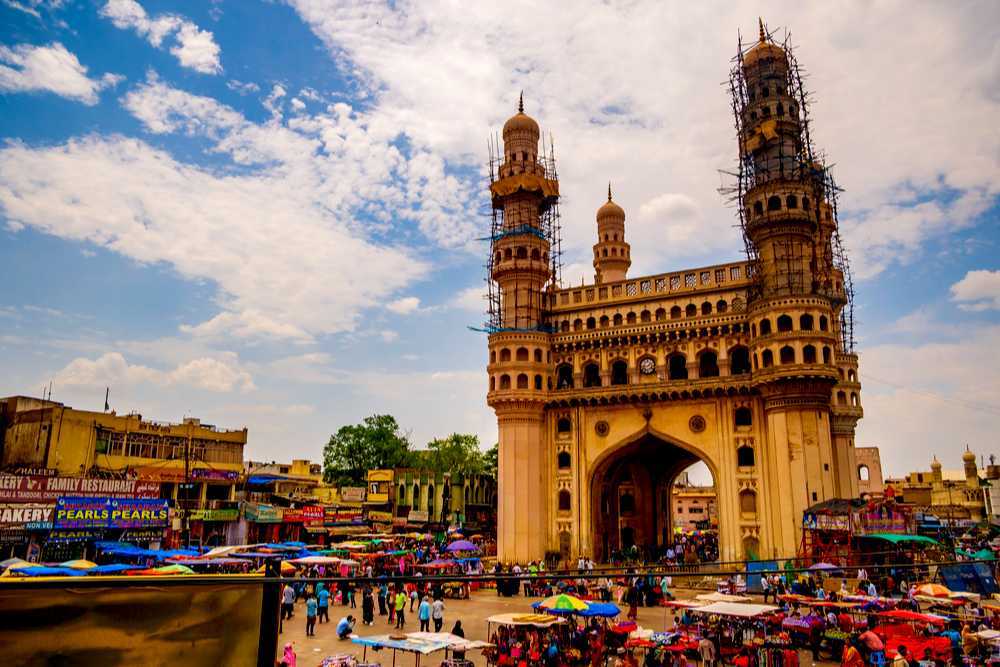
Charminar
The iconic 16th-century monument at the heart of the Old City.
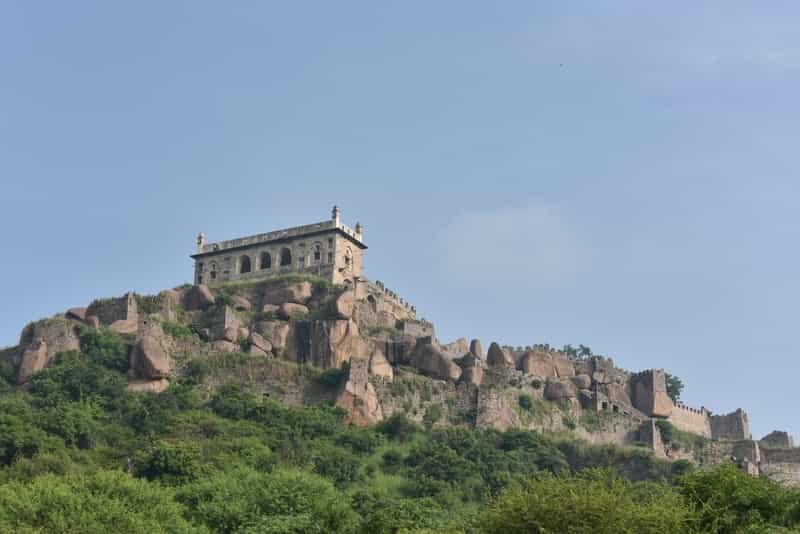
Golconda Fort
A grand fortress with fascinating history and evening light-and-sound shows.
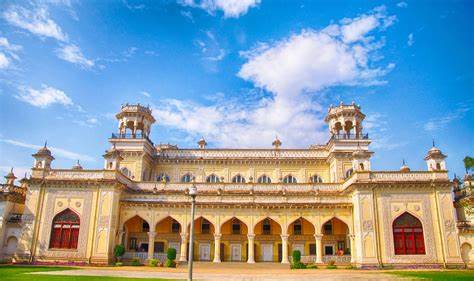
Chowmohalla Palace
Former seat of the Nizams, showcasing regal architecture.
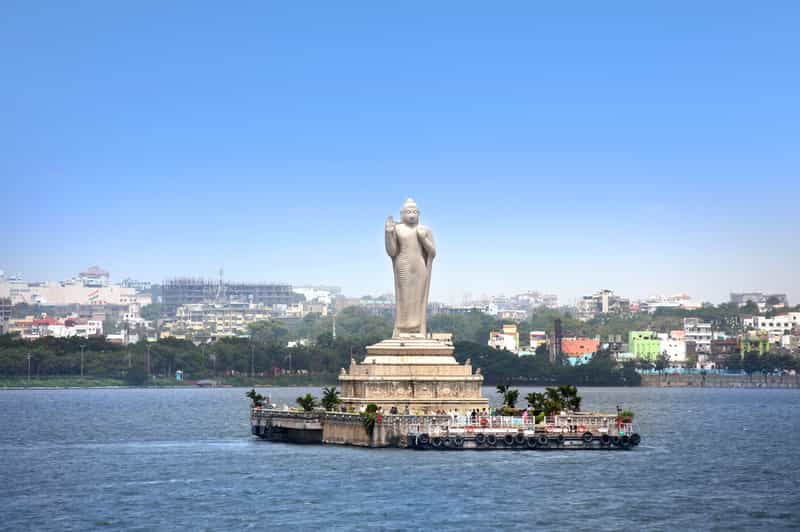
The Buddha Of Hussain Sagar
A serene spot with the giant Buddha statue at its center.
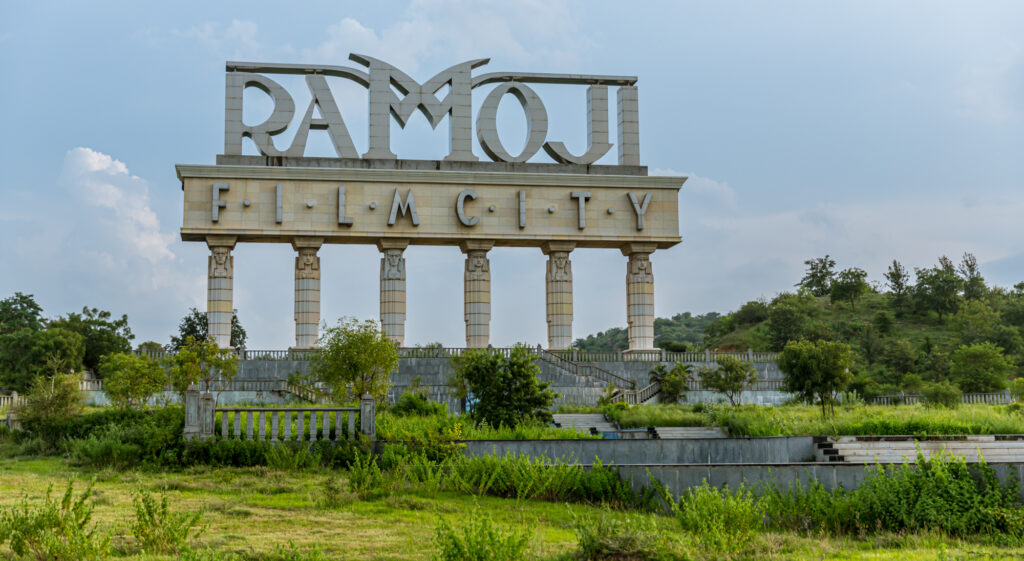
Ramoji Film City
World’s largest film studio complex, a must-visit for cinema lovers.
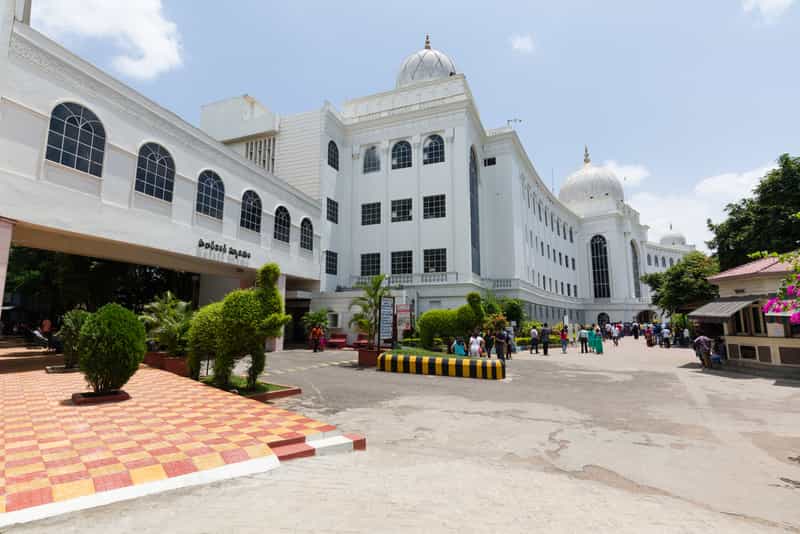
Salar-Jung Museum
One of the world’s largest one-man collections of art and artifacts.
Local Cuisine
Hyderabad is a paradise for food lovers:
👉 Hyderabad blends history, culture, and cuisine—making every visit unforgettable.
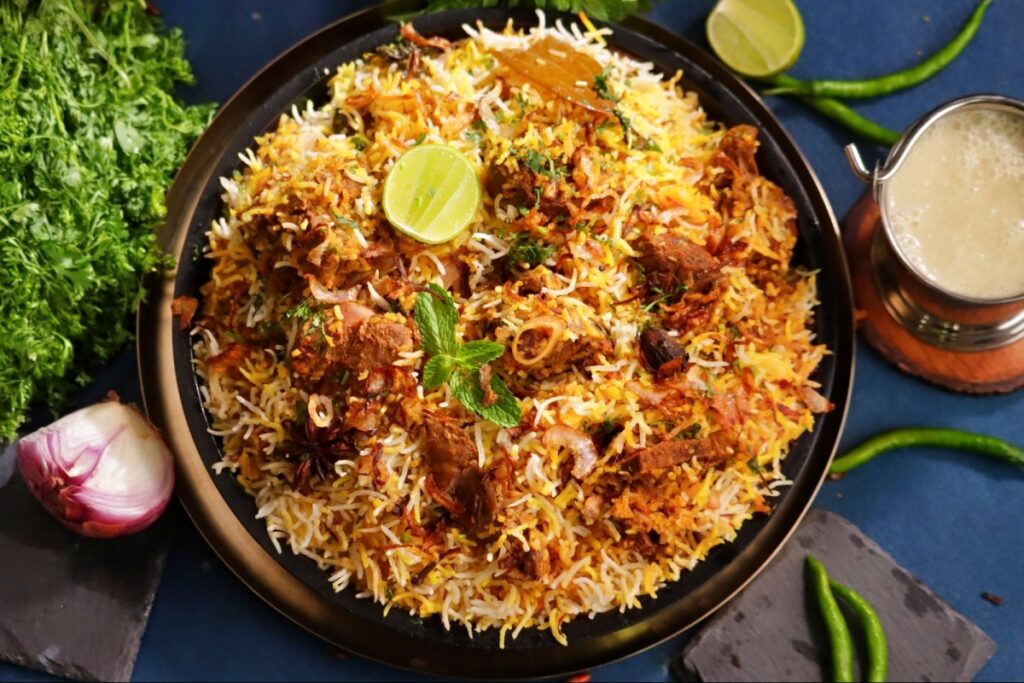
Hyderabadi Biryani
The city’s most famous dish, rich in flavor and aroma.
Haleem
A slow-cooked delicacy, especially popular during Ramadan.
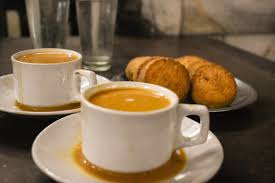
Irani Chai with Osmania Biscuits
A classic combination at local cafes.
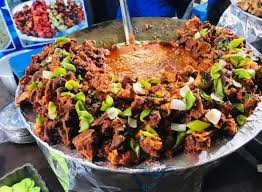
Pathar Ka Gosht
Tender mutton cooked on a hot stone, a true royal treat.
Double Ka Meetha & Qubani Ka Meetha
Traditional Nizami desserts that complete the feast.